Author:BelightRelease Date:2026-09-02Number of visitors:100
When an event crew needs a wall of light that goes up in minutes and comes down just as fast, a Rental LED Display is the workhorse they reach for. Unlike fixed installs, this rental LED display is built around lightweight cabinets with quick-lock corners, so a stage backdrop can be rebuilt between shows without special tools or dedicated technicians on site during a tight load-in.
A touring rental led screen lives and dies by setup speed. Cabinets clip together with locking pins and align by themselves, which keeps seams tight and images seamless. The frames are usually die-cast aluminum, light enough for one person to carry yet rigid enough to hold a flat surface under stage lights. For a road crew, that means less labor and fewer callbacks during a window where every minute costs money.
Brightness, pixel pitch, and refresh rate decide the look. An event led display needs high nit output to fight hall lighting, a fine enough pitch for close viewing, and a fast refresh so cameras do not catch flicker. A solid touring led panel also ships with spare parts and a clear wiring plan, because a dark tile on stage is the one failure no one forgives once the doors open and the crowd is already inside.
A fixed screen is sealed, permanent, and tuned for one wall. A rental LED display trades some weather sealing for portability and front service access. If you run one venue, fixed wins on lifetime cost; if you move between expos, concerts, and product launches, the quick lock led cabinet model pays for itself in saved hours and smaller crews across a busy season of back-to-back events.
Closer crowds want a finer pitch, while arena backs want larger pixels for brightness. A stage led rental plan should match pitch to the nearest seat, not just to the budget line on the quote. Getting this right keeps the image crisp without burning power on density that nobody can see from the back of the room where the cheering happens.
Flight cases, desiccant packs, and a pre-show test pattern extend panel life. Keep tiles in their cases with desiccant and test them on arrival to catch issues early, before the show is lit and the pressure is on the crew. Log each cabinet's hours so you can retire tired tiles before they show wear on a client's big night and ruin the brand shot.
Start from the wall size you want, then add one spare cabinet per ten and a few link cables. A rental LED display order also needs a processor, a sending box, and power distro sized to the total draw. Sketch the rig, list the spares, and confirm rigging points with the venue so the truck is not missing a part when the clock is already running against you.
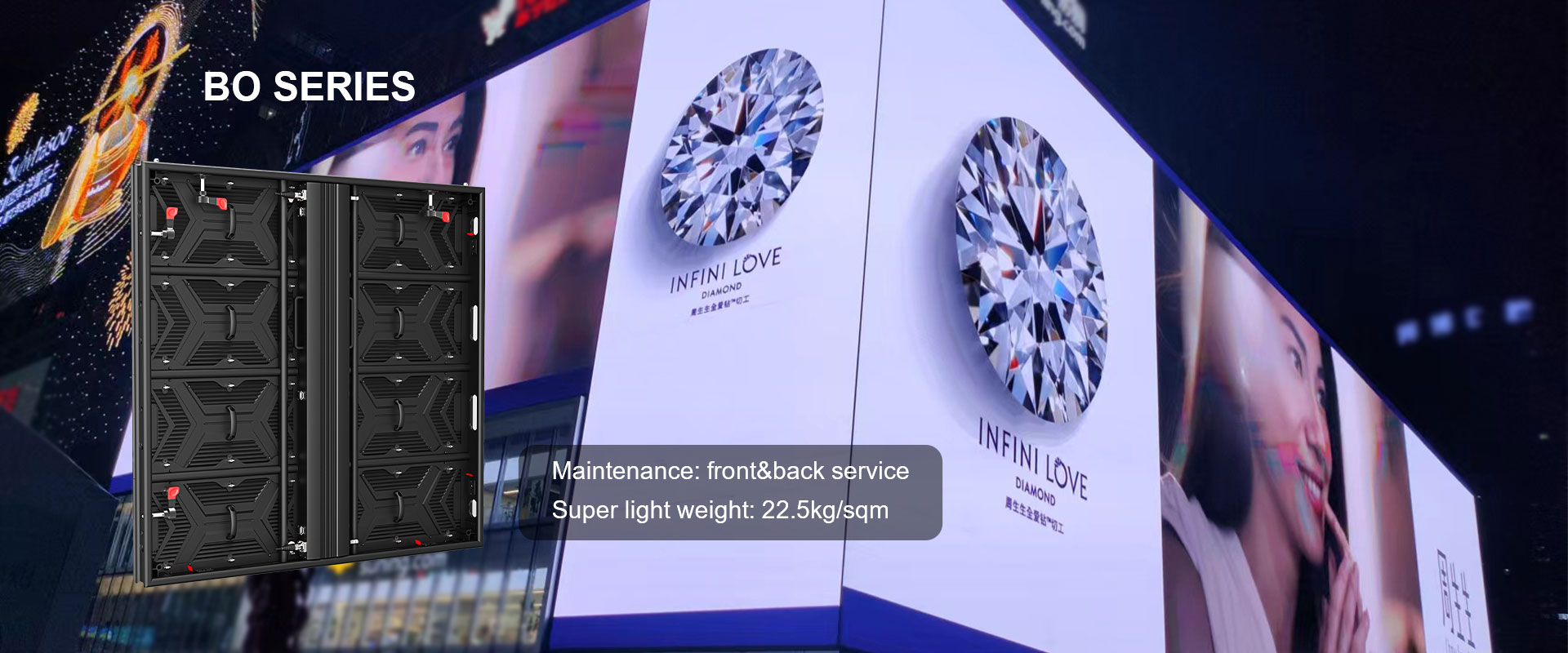
With quick-lock cabinets and a trained crew, a few square meters go up in well under an hour. The exact time depends on size, rigging height, and power routing at the venue, but the clip system removes most of the slow alignment work entirely.
Most rental LED display units are rated for indoor and dim venues. For outdoor daylight you need a higher nit model and sometimes extra shading, so confirm the spec before you book the date and the truck that carries it.
Often yes. The same rental led screen works as a backdrop or a booth wall if the pixel pitch suits both viewing distances. Curved locks on some lines even let you wrap a corner without a custom build or extra fabrication time on site.
Moisture, rough transport, and power spikes are the usual culprits. Keep tiles dry, log their use, and run a test pattern on arrival so a weak tile never surprises you mid-show in front of a paying audience.

 +86 0755 23081583

info@belightled.com

Shiyan, Baoan, Shenzhen, China