Author:BelightRelease Date:2025-12-12Number of visitors:383
I. What Is an LED Display Screen?
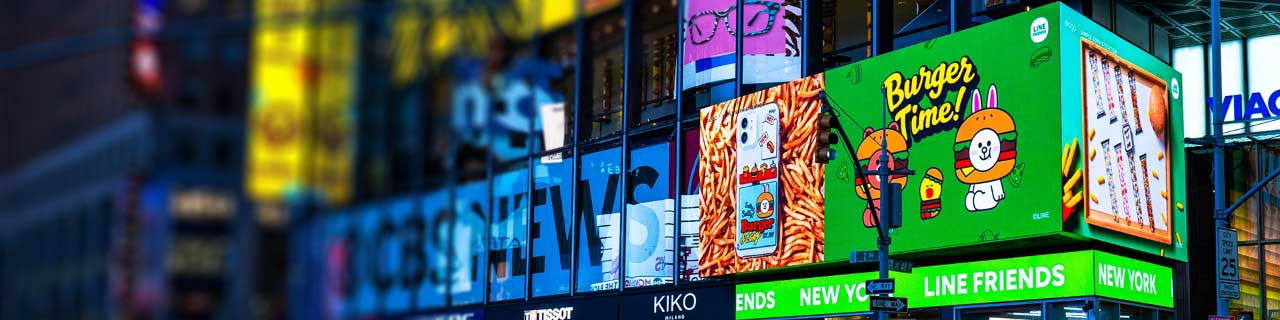
An LED display screen is a display device that shows text, graphics, images, animations, videos, and other information by controlling semiconductor light-emitting diodes (LEDs).
Composed of tens of thousands of tiny LEDs as pixels (light-emitting points), it forms the desired images by adjusting the brightness and color combination of these pixels.
II. Main Components
A complete LED display system typically includes the following parts:
1. LED Unit Board/Module
As the core display component, it consists of LEDs, driver chips, PCB circuit boards, etc. Multiple modules are spliced to form a large screen.
LED Lamp Beads: The most basic light-emitting units, usually composed of red, green, and blue chips, which produce various colors through mixing.
2. Control System
Sending Card: Connects the computer and receiving card, responsible for processing and transmitting signals from the computer.
Receiving Card: Installed on the unit board, it receives signals from the sending card and controls the lighting of LEDs in the corresponding area.
Control Software: Runs on the computer for editing and sending display content.
3. Power Supply
Provides stable and reliable power for the entire display screen.
4. Cabinet/Frame Structure
Used to fix and splice multiple LED modules into an integrated screen. There are rental cabinets, fixed installation cabinets, etc., depending on the application.
5. Peripheral Accessories
Such as power distribution cabinets, heat dissipation fans, audio systems, and multifunctional cards (for accessing various video sources like HDMI and SDI signals).
III. Main Classifications of LED Display Screens
LED display screens can be classified from multiple dimensions:
1. By Usage Environment
Indoor Screens: Low brightness, low waterproof requirements, and short viewing distance.
Outdoor Screens: Extremely high brightness (to resist direct sunlight), with high waterproof (IP65 and above), dustproof, windproof, and lightning protection ratings.
2. By Pixel Pitch (Dot Pitch)
This is the most critical indicator of clarity, referring to the distance between the centers of two adjacent pixels, measured in millimeters (mm).
Smaller P values mean higher pixel density, better clarity, and suitability for close-range viewing.
Examples:
P0.9, P1.25, P1.53, P1.86: Belong to small-pitch LEDs, mainly used in high-end meeting rooms, command centers, radio and television studios, etc.
P2, P2.5, P3, P4: Commonly used in indoor shopping malls, exhibition halls, stage backdrops, etc.
P5, P6, P8, P10: Frequently used in outdoor billboards, stadiums, etc.
3. By Display Technology/Packaging Method
Through-hole (DIP): An early technology with large lamp beads and high brightness, mainly used in outdoor full-color screens.
Surface Mount Device (SMD): The current mainstream technology, encapsulating red, green, and blue chips in a small bracket. It is small in size and has a wide viewing angle, suitable for manufacturing high-density indoor screens and small-pitch screens.
COB (Chip on Board): Bonds LED chips directly to the PCB board and then encapsulates them. It offers better protection and reliability, and is one of the future development directions for small-pitch screens.
GOB (Glue on Board): Covers a layer of special transparent protective glue on the basis of SMD lamp beads, enhancing collision resistance, waterproofness, and dustproofness. It is often used for rental and outdoor fixed installations.
IMD (Integrated Matrix Device): An integrated matrix packaging technology, which can be regarded as a compromise between SMD and COB.
4. By Function and Application
Conventional Display Screens: Fixed-installed flat screens.
Rental Display Screens: Lightweight design, easy to disassemble, assemble, and transport, often used for stage performances and temporary events.
Creative Irregular-Shaped Display Screens: Irregularly shaped screens (e.g., curved, cylindrical, wave-shaped, spherical) for creating unique visual art effects.
Transparent Display Screens: High transmittance, does not affect the viewing of objects behind, commonly used in shopping mall windows and building glass curtain walls.
Floor Tile Screens/Interactive Floor Screens: High load-bearing capacity, interactive with pedestrians, used in exhibition halls, stages, and amusement parks.
Flexible Display Screens: Adopt flexible substrates and light strips, can be bent, suitable for making curved and cylindrical screens.
IV. Core Performance Indicators
When selecting an LED display screen, pay attention to the following key parameters:
Pixel Pitch (Dot Pitch/Pitch): Determines clarity.
Brightness: Measured in candelas per square meter (cd/m² or nits). Indoor screens generally range from 800-1500 nits, while outdoor screens require over 5000 nits.
Refresh Rate: Measured in hertz (Hz). Higher refresh rates result in more stable images, with no scan lines or flicker when photographed. High refresh rates (>1920Hz) and high grayscale are critical.
Contrast Ratio: The ratio of the brightest to the darkest points. A high contrast ratio delivers strong color layering and more vivid images.
Grayscale Level: Indicates the delicacy of colors. Higher grayscale levels result in smoother and more natural color transitions.
Color Gamut: The range of colors that can be displayed. Usually, it is desirable to cover broader color gamut standards (e.g., Rec.709, DCI-P3).
Uniformity/Consistency: Ensures consistent brightness and color across the entire screen, without "speckles" or "mosaic effects".
Dead Lamp Rate: The allowable proportion of non-lighting lamp beads at the factory; the lower, the better.

 +86 0755 23081583

info@belightled.com

Shiyan, Baoan, Shenzhen, China